Compare Local Contractors for Landscaping Soil Delivery Services
Compare local contractors for landscaping soil delivery to define scope, verify experience, and set clear expectations for a successful project.
Landscaping soil delivery services typically encompass the transportation and placement of soil, compost, or other ground amendments onto a property to support planting beds, lawns, or garden areas. These contractors often handle tasks such as unloading soil at specific locations, ensuring proper spreading or leveling, and sometimes providing advice on soil types suited to the property's needs. Clarifying the scope of work with service providers helps property owners understand whether additional tasks like site preparation, grading, or soil mixing are included or need to be arranged separately.
Defining the scope of soil delivery projects is essential for setting clear expectations and ensuring the work aligns with property owners’ specific needs. Detailed communication about the amount and type of soil required, delivery method, and any special handling considerations can prevent misunderstandings. It’s also important to confirm what responsibilities the contractor assumes-such as cleanup or site restoration-and to document these details in writing. This clarity helps avoid potential disputes and ensures that both parties have a shared understanding of the project’s parameters.
Property owners can compare local contractors by evaluating their experience with similar soil delivery projects and reviewing the scope of services they offer. It’s beneficial to inquire about the types of soil available and whether the service providers can accommodate special requests or specific soil blends. Additionally, verifying references or seeking recommendations can provide insights into the reliability and professionalism of local service providers. When assessing contractors, it’s wise to review written agreements that specify the scope, responsibilities, and expectations, ensuring that the chosen professional aligns with the project’s requirements.
Compare local contractors by outlining your project priorities, verifying experience, and setting clear scope expectations in writing.
- Compare Contractor Experience - Review the backgrounds and project history of local contractors to ensure they have relevant experience.
- Define Project Scope Clearly - Specify the amount and type of soil needed to set clear expectations with service providers.
- Verify Service Provider Credentials - Confirm that local contractors have the necessary qualifications and reputation for soil delivery.
- Document Agreements in Writing - Keep detailed records of scope, responsibilities, and expectations to avoid misunderstandings.
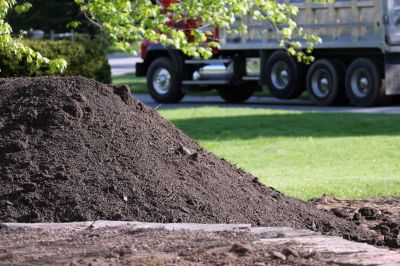
Clearly describe your landscaping soil delivery project to effectively compare local contractors, define scope, verify experience, and set expectations in writing.
- Verify the experience and reputation of local contractors specializing in soil delivery services. - Look for providers with positive reviews and a history of reliable soil delivery for landscaping projects.
- Define the scope of work clearly, including soil type, quantity, and delivery requirements. - Ensure the service provider understands and agrees to the specific details of the soil needed for the project.
- Request detailed written estimates that outline the scope, delivery process, and any included services. - Comparing written proposals helps to evaluate the comprehensiveness and professionalism of different service providers.
- Check that the contractors have appropriate equipment and transportation to handle soil delivery efficiently and safely. - Proper equipment ensures timely delivery and reduces the risk of damage or delays.
- Confirm that the service provider can accommodate your delivery schedule and access requirements. - Clear communication about delivery times and site access helps prevent misunderstandings.
- Discuss and agree upon any special handling or placement instructions to ensure the soil is delivered as needed. - Providing specific instructions helps ensure the delivery meets the landscaping project's expectations.
Compare local contractors, define project scope clearly, verify experience, and set expectations in writing.

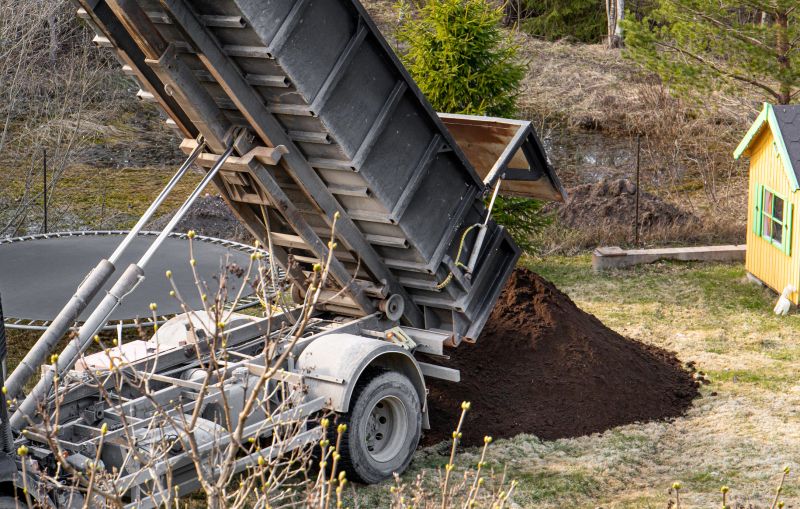


Compare landscaping soil delivery contractors by defining scope, verifying experience, and ensuring consistent expectations across local service providers.
- Scope Definition - Clearly outline the specific types of soil delivery services required for the landscaping project.
- Experience Verification - Confirm that the service providers have relevant experience in handling landscaping soil delivery.
- Material Specifications - Specify the quality, type, and quantity of soil needed to meet project requirements.
- Communication Expectations - Establish how scope details will be documented and confirmed in writing with the service providers.
- Service Provider Comparison - Evaluate local contractors based on their scope offerings, experience, and ability to meet project needs.
When comparing contractors for landscaping soil delivery, it is important to evaluate their experience with similar projects. Seek out service providers who have a proven track record of handling soil delivery for residential landscaping jobs comparable in size and scope. An experienced contractor will understand the nuances of different soil types, delivery logistics, and site-specific challenges, which can help ensure the job is completed smoothly and efficiently. Asking for examples of past projects or references can provide insight into their familiarity with soil delivery tasks similar to those needed for the site.
A clear, written scope of work is essential for setting expectations and avoiding misunderstandings. The scope should detail the quantity and type of soil to be delivered, delivery methods, and any preparation or site access requirements. A well-defined scope helps ensure that both the homeowner and the service provider are aligned on what is included in the project. When evaluating options, look for contractors who provide detailed written descriptions of their services, as this demonstrates professionalism and helps clarify what will be delivered.
Verification basics are key to making an informed comparison. Confirm that potential service providers have the necessary experience with landscaping soil delivery and understand the specific needs of the project. It is helpful to verify their reputation through references or reviews, and to ensure they have a reliable process for scheduling and logistics. Asking about their typical delivery procedures and how they handle site access or special requirements can help gauge their reliability and readiness to meet the project’s demands.
Evaluating options without focusing on prices involves assessing the quality of the service provider’s offerings and their approach to the work. Consider how thoroughly they outline their scope, the clarity of their communication, and their ability to meet the project’s specific needs. Comparing how each contractor approaches the planning and logistics of soil delivery can reveal differences in professionalism and attention to detail. By focusing on experience, scope clarity, and verification, homeowners can make informed choices that align with their project requirements and expectations.
Ask contractors to provide written scope details to ensure clear expectations and consistent project understanding.
- Quality and Experience - What experience do local contractors have with delivering and spreading landscaping soil?
- Scope of Work - How do contractors define the specific services included in their soil delivery and placement?
- Materials and Specifications - Are the types of soil and delivery methods clearly outlined and comparable among providers?
- Work Process and Expectations - How do contractors communicate their process and set clear expectations for the scope of the soil delivery?
- References and Past Projects - Can local service providers provide references or examples of similar landscaping soil delivery jobs?
How can I compare different contractors for soil delivery services? To compare local contractors, review their experience, scope of services, and reputation. Gathering details about their previous work and clarifying what is included can help identify the best options for your project.
What should I include in a scope of work when hiring a soil delivery contractor? Clearly outline the amount and type of soil needed, delivery locations, and any specific requirements. Providing detailed information ensures contractors understand the project requirements and can offer accurate services.
How can I verify the experience of a landscaping soil delivery contractor? Check for references, reviews, or portfolios of past projects. Confirming their familiarity with similar jobs can help ensure they are capable of meeting your expectations.
Why is it important to get written agreements with contractors? Written agreements specify the scope, responsibilities, and expectations, reducing misunderstandings. Having clear documentation helps ensure both parties are aligned on project details.
What questions should I ask a contractor before hiring for soil delivery? Ask about their experience, types of soil available, delivery methods, and how they handle special requirements. These questions help determine if they can meet your specific landscaping needs.
How can I ensure that a contractor understands my soil delivery needs? Communicate your project details clearly and ask for a written plan or estimate. Confirming understanding through documentation helps set accurate expectations for the service.
Understanding the key considerations for hiring contractors for landscaping soil delivery helps ensure the project aligns with specific needs and expectations. Comparing local service providers allows for a clearer view of the scope of work, experience levels, and how each contractor approaches the job. Defining the project details and confirming these are documented can help set a solid foundation for a successful outcome.
Using the quote form to connect with local contractors provides an efficient way to gather information and compare options. This process supports making informed decisions based on the services available in the area, helping to identify the best suited service providers for the job.